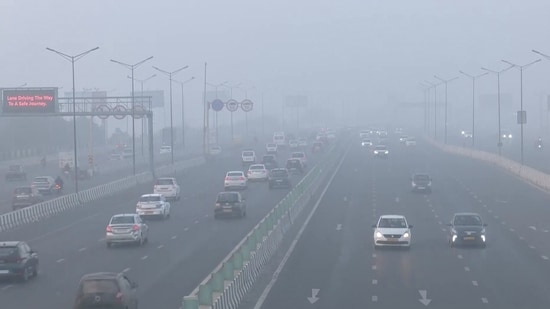
As Delhi continues to battle dangerously high air pollution levels, the city government has implemented stringent emergency measures starting today to curb rising emissions. These steps come into force after air quality slipped into the “severe” category, posing serious health risks to residents.
The restrictions are part of the highest stage of the Graded Response Action Plan (GRAP) and aim to reduce pollution caused by vehicles, construction activity, and daily commuting.
Why Were These Measures Introduced?
Over the past few days, Delhi’s Air Quality Index (AQI) has remained alarmingly high, with thick smog, low visibility, and increased respiratory complaints reported across the city. Health experts warned that prolonged exposure could be extremely harmful, especially for children, the elderly, and people with pre-existing conditions.
To prevent further deterioration, the government activated emergency curbs with immediate effect.
Key Anti-Pollution Curbs Effective From Today
1. Work-From-Home Made Mandatory
Government offices and private establishments have been instructed to operate with 50% staff working from home. The move is expected to significantly reduce traffic congestion and vehicular emissions during peak hours.
Essential services such as hospitals, emergency response teams, electricity, water supply, and law enforcement are exempt from this rule.
2. Ban on Entry of Polluting Vehicles
Only BS-VI compliant vehicles are now allowed to enter Delhi from neighbouring states. Older and more polluting vehicles have been barred at city entry points, with strict checks being carried out by enforcement teams.
This measure targets emissions caused by inter-state traffic, one of the major contributors to poor air quality.
3. “No PUC, No Fuel” Rule Enforced
Vehicles without a valid Pollution Under Control (PUC) certificate will no longer be allowed to refuel at petrol pumps. Automated systems and checks have been put in place to ensure compliance.
The rule aims to discourage the use of highly polluting vehicles and promote timely emission checks.
4. Relief for Construction Workers
With construction and demolition activities restricted under pollution norms, registered construction workers affected by the ban will receive financial assistance of ₹10,000 to help them manage temporary loss of income.
Who Is Exempt From the Restrictions?
Emergency vehicles such as ambulances, fire tenders, and vehicles used for essential public services are exempt. Authorities have clarified that the curbs are temporary and strictly health-driven.
What Happens Next?
The government will continue to monitor air quality levels daily. The restrictions may be relaxed or tightened depending on weather conditions, pollution readings, and expert recommendations.
Residents have been advised to:
- Avoid unnecessary travel
- Use public transport where possible
- Wear masks outdoors
- Limit outdoor activities, especially early morning and late evening
Conclusion
With Delhi facing yet another severe pollution episode, the government’s latest measures reflect an urgent attempt to protect public health. While the restrictions may cause short-term inconvenience, officials stress that they are essential to prevent long-term damage to citizens’ health.