AI Video Creation Tools Explained – How AI Is Replacing Traditional Video Production

Published On:
AI Video Creation Tools Explained – How AI Is Replacing Traditional Video Production 4 Introduction For decades, video production followed a fixed process—camera setup, shooting, editing, sound design, and post-production. This process demanded money, manpower, and time. With the rise of AI video creation tools, this traditional system is rapidly changing. Today, artificial intelligence can perform many tasks that once required professional teams. This blog explains how AI video creation tools work, how they differ from traditional video production, and why AI is becoming the preferred choice for modern creators. Traditional Video Production: A Quick Overview Traditional video production involves: Camera equipment Lighting setup Actors or presenters Editing software Skilled editors Each step requires technical expertise and coordination, making the process slow and expensive. What AI Video Creation Tools Do Differently AI video tools simplify production by: Eliminating the need for cameras Automatically generating scenes Editing videos without manual effort Adding voiceovers instantly Applying cinematic effects automatically Instead of shooting footage, creators describe their idea, and AI does the rest. Core Technologies Behind AI Video Creation AI video tools rely on: Deep learning models Computer vision Generative AI Speech synthesis Motion prediction algorithms These systems learn from millions of videos and recreate visual storytelling digitally. Benefits Over Traditional Methods Faster production cycles Lower cost No technical barriers Easy revisions Scalable content creation Use Cases AI video creation is widely used for: Social media videos Marketing campaigns Educational content Corporate presentations Storytelling reels Limitations Compared to Traditional Production Despite advantages, AI still struggles with: Perfect realism Emotional nuance Complex choreography Conclusion AI video creation tools are not fully replacing traditional video production but are becoming the smartest alternative for fast, affordable, and scalable video content. For beginners, AI is the best starting point in video creation.

https://imagekit.io/blog/content/images/2023/11/video-production-workflow_ImageKit-blog.png
https://media.licdn.com/dms/image/v2/D5612AQHC-AKJZ2Ingw/article-cover_image-shrink_720_1280/article-cover_image-shrink_720_1280/0/1730873793416?e=2147483647&t=2ssZiQzQPwSNsKixEkoRn2_QxZY3EB0rEu-CB4qH36E&v=beta
https://images.ctfassets.net/lzny33ho1g45/1S2b2IzWORxviPHYEi4s38/b10aee913756b894d536bae44760f58f/best-ai-video-generators.jpg?fit=thumb&fm=jpg&h=760&q=31&w=1520

4

Introduction

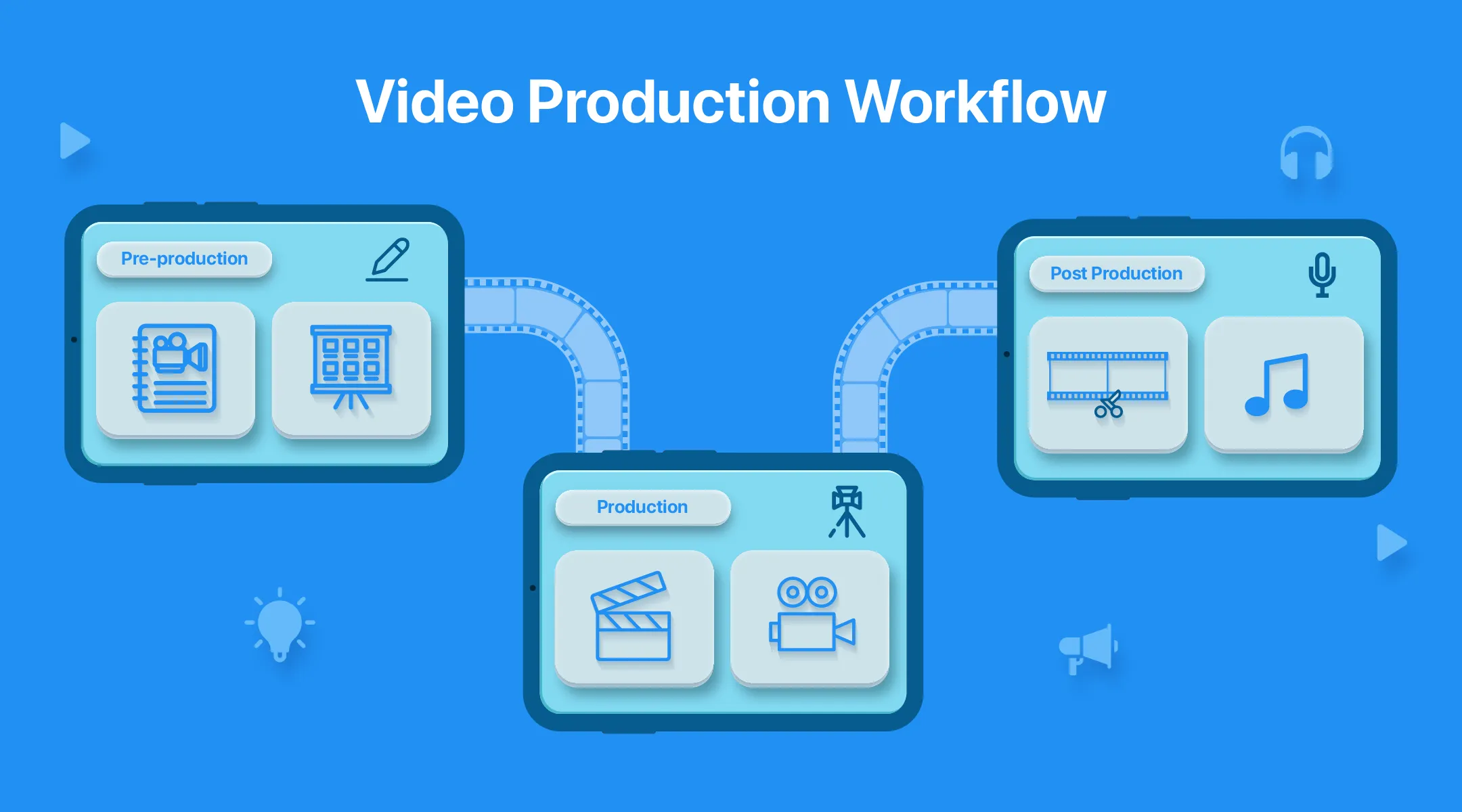
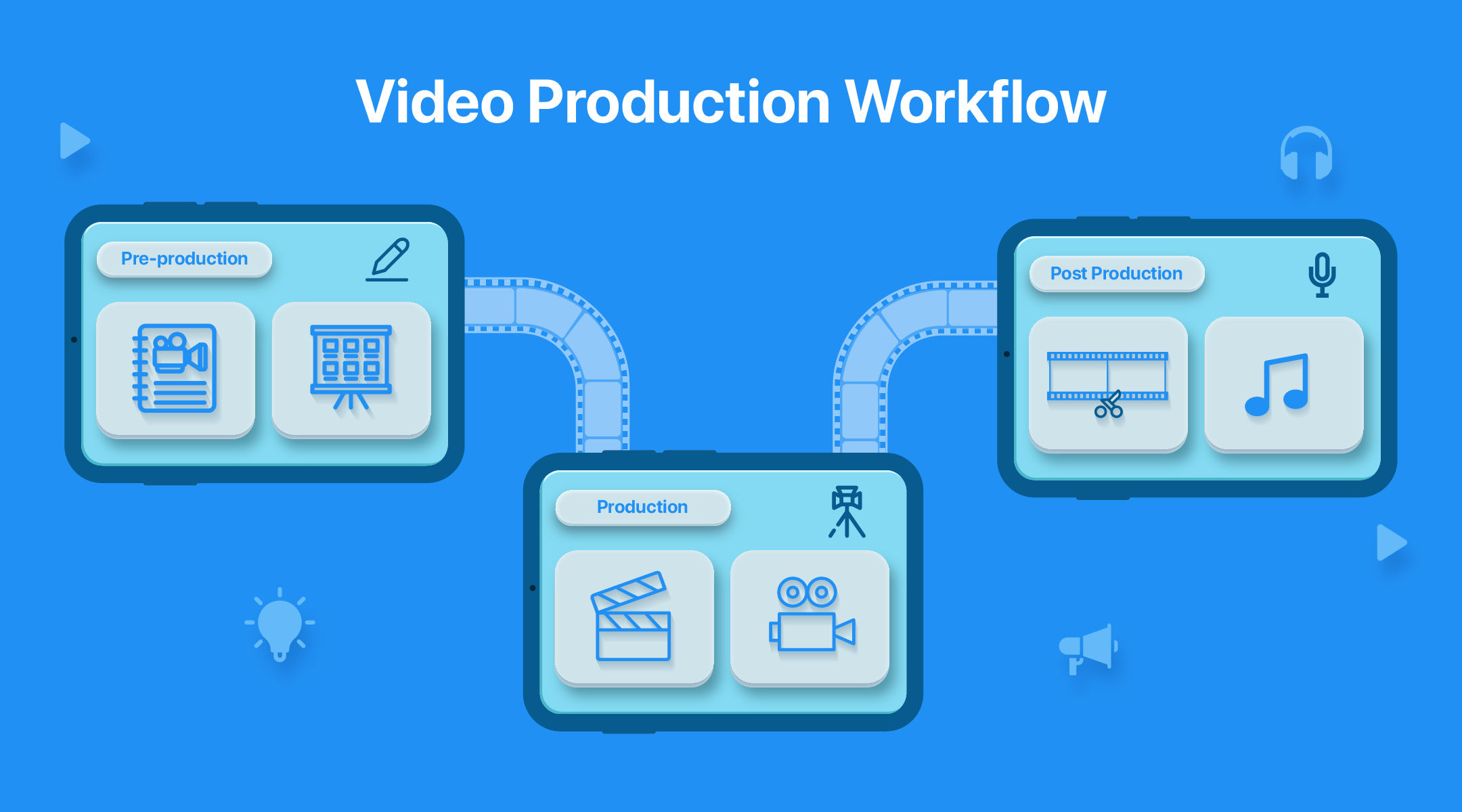
For decades, video production followed a fixed process—camera setup, shooting, editing, sound design, and post-production. This process demanded money, manpower, and time. With the rise of AI video creation tools, this traditional system is rapidly changing. Today, artificial intelligence can perform many tasks that once required professional teams.

This blog explains how AI video creation tools work, how they differ from traditional video production, and why AI is becoming the preferred choice for modern creators.

Traditional Video Production: A Quick Overview

Traditional video production involves:

  • Camera equipment
  • Lighting setup
  • Actors or presenters
  • Editing software
  • Skilled editors

Each step requires technical expertise and coordination, making the process slow and expensive.

What AI Video Creation Tools Do Differently

AI video tools simplify production by:

  • Eliminating the need for cameras
  • Automatically generating scenes
  • Editing videos without manual effort
  • Adding voiceovers instantly
  • Applying cinematic effects automatically

Instead of shooting footage, creators describe their idea, and AI does the rest.

Core Technologies Behind AI Video Creation

AI video tools rely on:

  • Deep learning models
  • Computer vision
  • Generative AI
  • Speech synthesis
  • Motion prediction algorithms

These systems learn from millions of videos and recreate visual storytelling digitally.

Benefits Over Traditional Methods

  • Faster production cycles
  • Lower cost
  • No technical barriers
  • Easy revisions
  • Scalable content creation

Use Cases

AI video creation is widely used for:

  • Social media videos
  • Marketing campaigns
  • Educational content
  • Corporate presentations
  • Storytelling reels

Limitations Compared to Traditional Production

Despite advantages, AI still struggles with:

  • Perfect realism
  • Emotional nuance
  • Complex choreography

Conclusion

AI video creation tools are not fully replacing traditional video production but are becoming the smartest alternative for fast, affordable, and scalable video content. For beginners, AI is the best starting point in video creation.

Leave a Comment