4
Digital marketing has changed dramatically with the rise of AI tools. Traditional marketing methods required large teams, long hours, and high budgets. AI tools have simplified this process by automating and optimizing every stage of marketing.
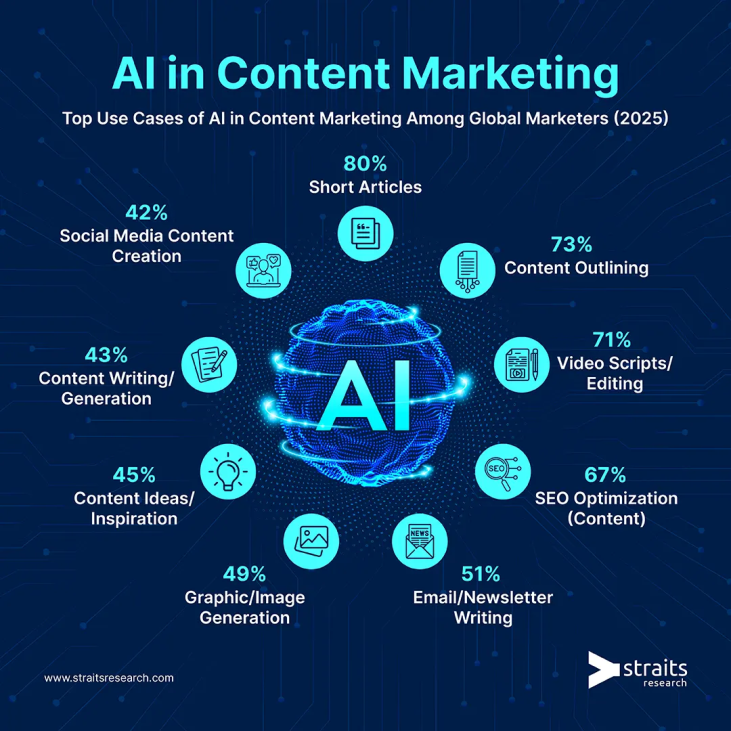
AI tools help marketers create content faster. Blogs, ad copies, social media captions, and email campaigns can be generated in minutes. AI also helps with keyword research, SEO optimization, and content planning, making marketing strategies more data-driven.
One of the biggest impacts of AI tools is personalization. AI analyzes user behavior and delivers personalized ads, emails, and recommendations. This improves engagement and conversion rates significantly.
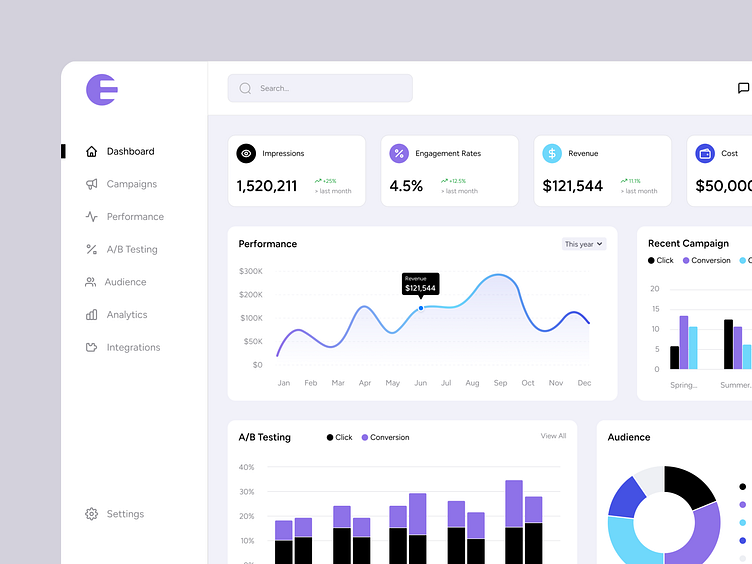
AI-powered analytics tools track campaign performance in real time. Marketers can instantly know what is working and what needs improvement. This reduces guesswork and increases ROI.
Social media marketing has also benefited from AI tools. Scheduling posts, generating captions, creating visuals, and analyzing audience engagement can all be automated. AI tools even suggest the best posting times and trending topics.
AI chatbots are transforming customer interaction. They provide instant replies, handle queries, and guide users through purchase decisions 24/7. This improves customer satisfaction while reducing workload.
Despite all these benefits, human creativity and strategy remain essential. AI tools assist marketers, but the vision and storytelling still come from humans. The most successful digital marketers are those who combine creativity with AI efficiency.
AI tools are not the future of digital marketing; they are the present. Businesses that fail to adapt risk falling behind in an increasingly competitive digital world.