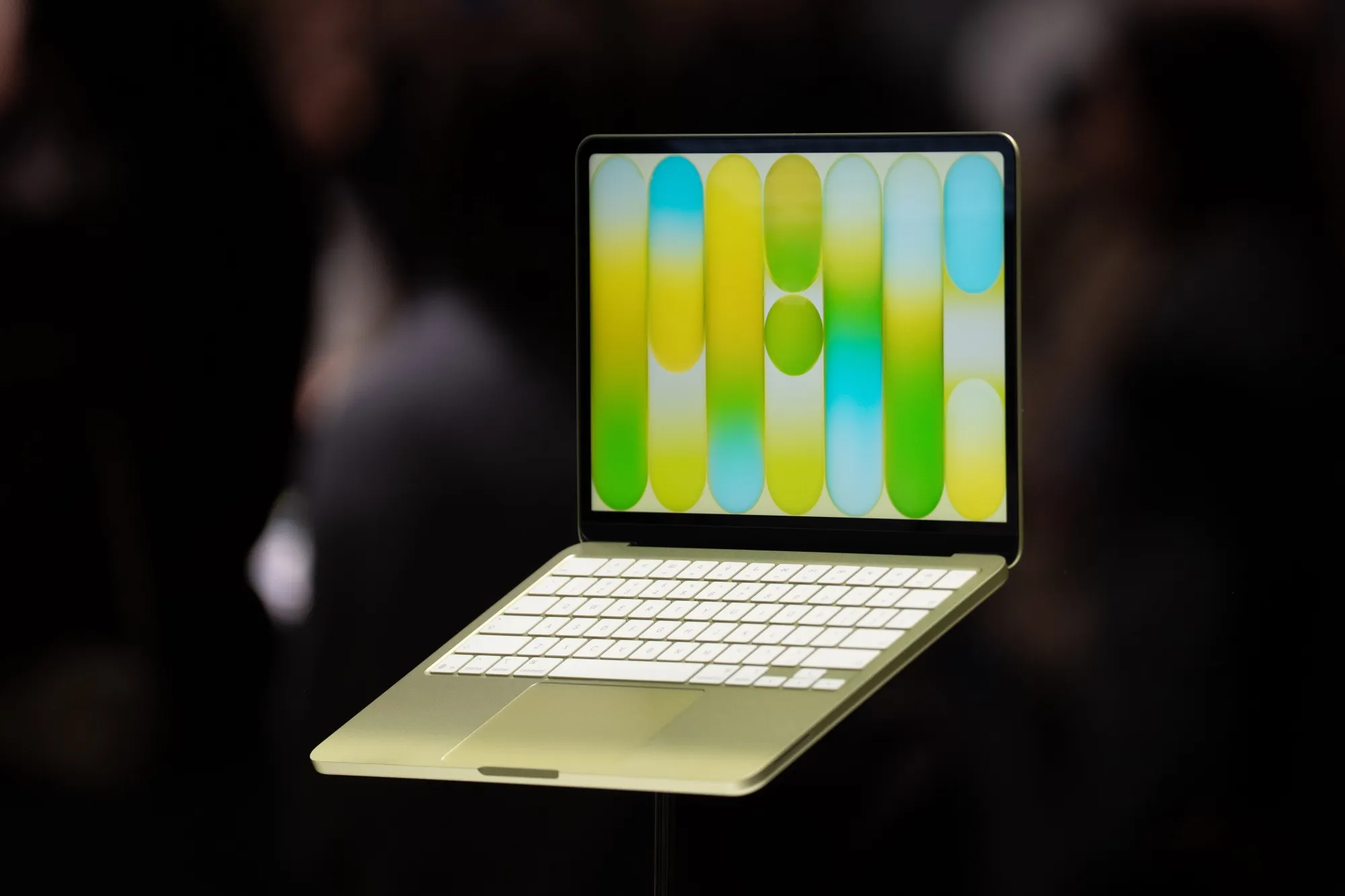
Technology companies come and go, but few leave a lasting mark on the world. Apple is one of those rare companies that didn’t just build products — it reshaped the way people interact with technology.
From humble beginnings in a garage to becoming one of the most valuable companies in the world, Apple’s journey over the past 50 years is a story of innovation, risk-taking, and constant reinvention. But with great success also comes enormous expectations. Every new product launch, every software update, and every strategic decision is watched closely by millions of users and industry experts.
Let’s explore how Apple reached this remarkable milestone and what lies ahead for the tech giant.
The Humble Beginning
The story of Apple began in 1976 when two young innovators, Steve Jobs and Steve Wozniak, decided to build a computer that ordinary people could use.
At that time, computers were complex machines meant mostly for engineers and researchers. Jobs and Wozniak believed technology should be simple, personal, and accessible.
Their early creation, the Apple II, became one of the first widely used personal computers. It helped introduce computing to homes, schools, and small businesses.
This early success laid the foundation for Apple’s philosophy:
Technology should feel simple, beautiful, and intuitive.
The Macintosh Revolution


4
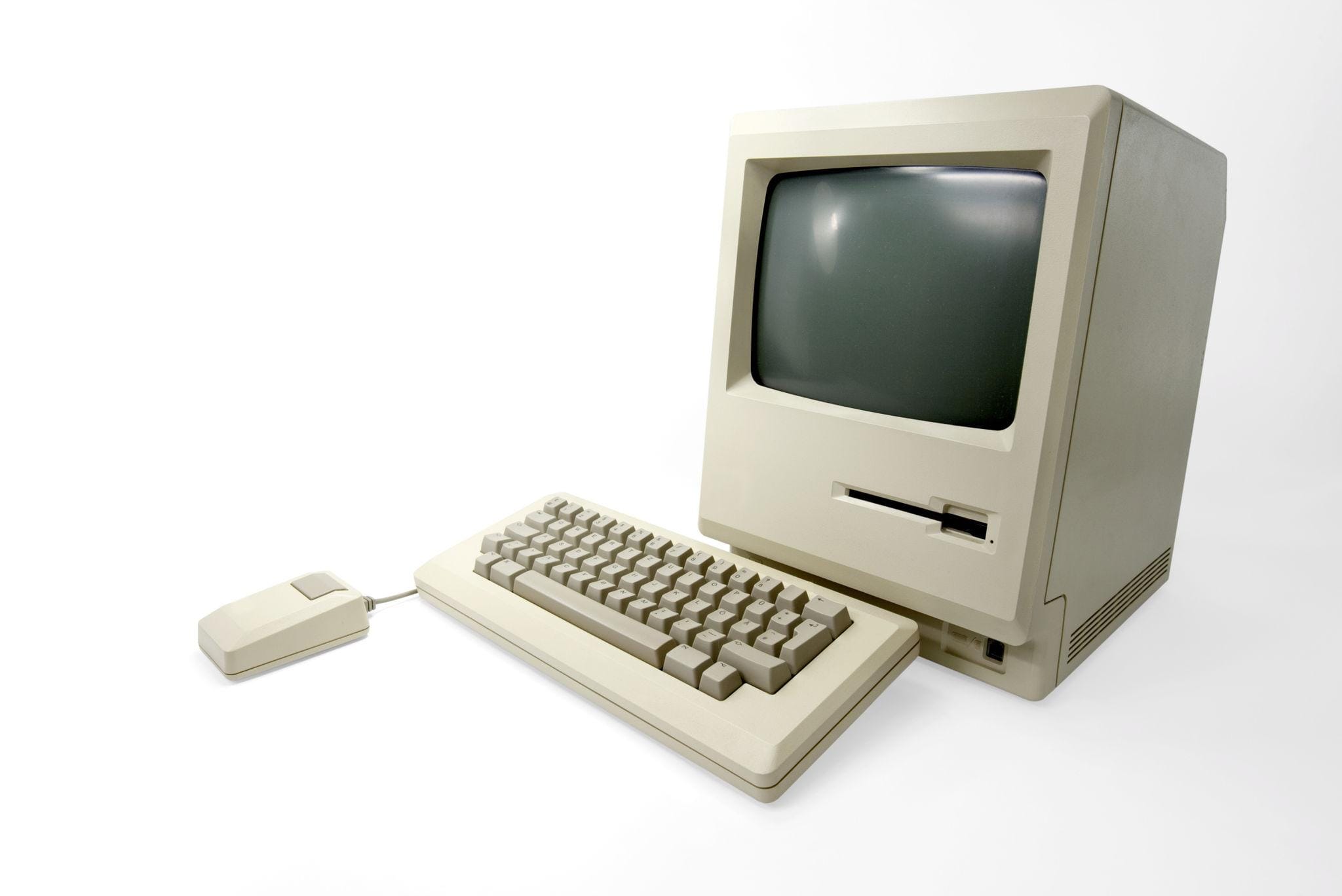
In 1984, Apple introduced another groundbreaking product — the Macintosh.
Unlike most computers at the time, the Macintosh featured:
- A graphical user interface
- A mouse for navigation
- Visual icons instead of complicated commands
These ideas might seem normal today, but back then they were revolutionary. The Macintosh made computing far more approachable and inspired the modern desktop experience used today.
Apple wasn’t always the first company to invent technologies, but it excelled at refining ideas and making them usable for everyone.
Difficult Years and a Remarkable Comeback
Despite its early achievements, Apple struggled during the 1990s. Competition increased, product lines became confusing, and the company lost its direction.
By the mid-1990s, Apple was facing serious financial trouble.
Everything changed when Steve Jobs returned to the company in 1997. He simplified Apple’s product lineup and brought a renewed focus on design and innovation.
Soon after, Apple launched the colorful iMac, which became an instant hit and restored confidence in the brand.
This period marked Apple’s transformation from a struggling computer company into a global technology powerhouse.
The iPod and the Digital Music Era


4
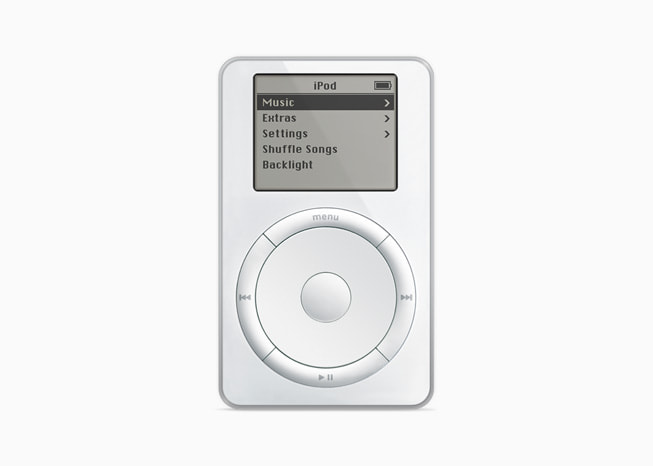
In 2001, Apple changed the music industry with the iPod.
The iPod was a small device that could store thousands of songs in your pocket. Combined with the iTunes platform, it transformed how people bought and listened to music.
Before the iPod, carrying music meant CDs or bulky players. Suddenly, an entire music library could travel with you.
The famous tagline said it best:
“1,000 songs in your pocket.”
The iPod didn’t just create a successful product — it reshaped the entire music industry.
The iPhone Changed Everything


4
Perhaps Apple’s most important moment came in 2007 with the launch of the iPhone.
Before the iPhone, smartphones existed but were complicated and mainly used for business purposes. The iPhone introduced a new concept:
- Large multi-touch screen
- Simple user interface
- A powerful mobile app ecosystem
Soon after, the App Store allowed developers around the world to create apps, opening the door to millions of new services and experiences.
Today, smartphones have become an essential part of daily life — and much of that transformation started with the iPhone.
Expanding the Apple Ecosystem
In recent years, Apple has expanded far beyond computers and phones.
Under the leadership of Tim Cook, the company has built a powerful ecosystem that includes:
- Apple Watch
- AirPods
- iPad
- Services such as Apple Music and Apple TV+
What makes Apple unique is how seamlessly these products work together. Photos sync across devices, messages appear everywhere, and users can move effortlessly between phone, tablet, laptop, and watch.
This interconnected ecosystem has become one of Apple’s biggest strengths.
Challenges in the Modern Era
Even a company as successful as Apple faces challenges.
Some critics argue that innovation has slowed compared to earlier years. Others question whether Apple can continue introducing groundbreaking products like the iPhone.
There are also increasing pressures related to:
- Artificial intelligence competition
- Global regulation of tech companies
- Maintaining premium pricing in competitive markets
At the same time, Apple is exploring new technologies such as spatial computing and advanced AI features that could define the next era of computing.
The Future of Apple
Reaching 50 years is an extraordinary achievement for any technology company. Few businesses manage to stay relevant for so long, especially in an industry that changes so quickly.
Apple’s story proves that success isn’t just about creating products — it’s about constantly evolving, learning from mistakes, and reimagining the future.
The world now waits to see what Apple will do next.
Will the next decade bring another revolutionary product?
Or will Apple redefine technology in ways we haven’t imagined yet?
One thing is certain: the expectations will always be high.
And for a company built on innovation, that challenge might be exactly what keeps it moving forward. 🚀