Mark Zuckerberg Given 3-Day Deadline by Parliamentary Panel
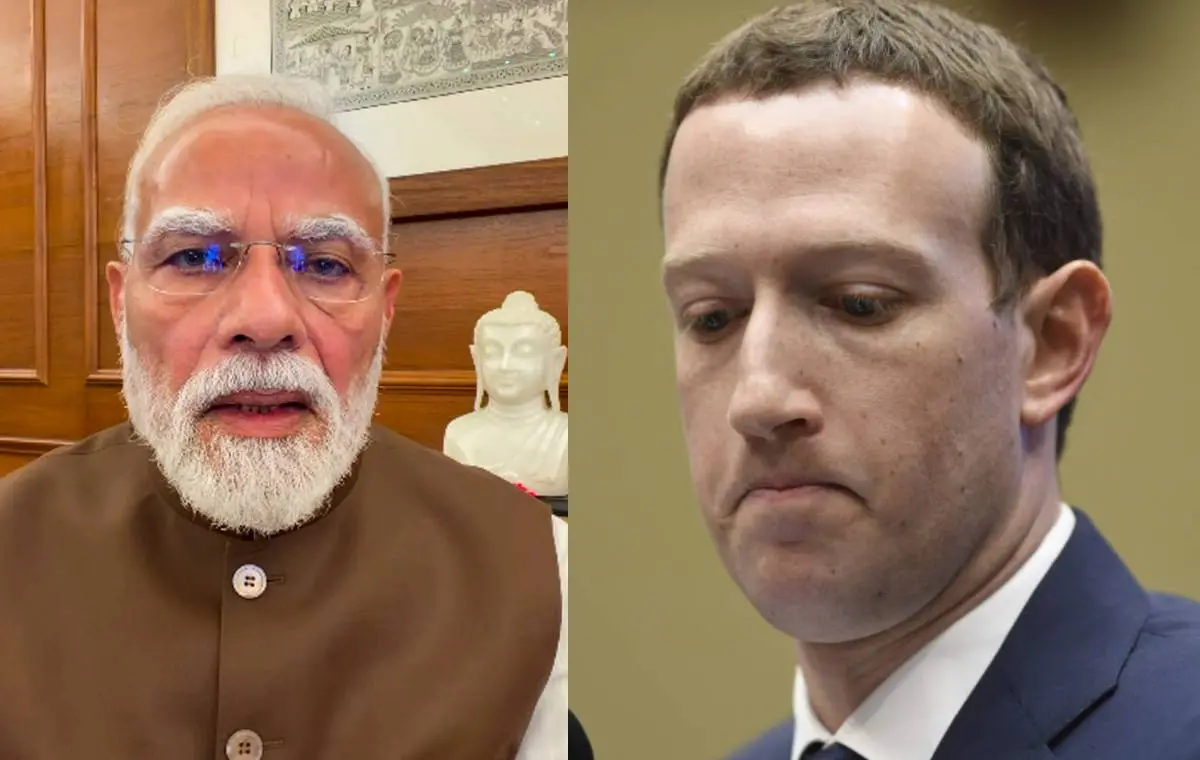
Meta CEO Mark Zuckerberg has come under the spotlight in India after a Parliamentary Standing Committee reportedly demanded a public apology over the temporary removal of Prime Minister Narendra Modi’s video from Facebook. The committee has also warned that Meta could face action affecting its “safe harbour” protection if the company fails to respond within the given deadline.
The development has reignited discussions about how global social media platforms moderate content and the responsibilities they carry while operating in India.
Why Did the Controversy Begin?
The issue started when a video featuring Prime Minister Narendra Modi was briefly removed from Facebook. The video, which reportedly addressed young people and discussed the issue of examination paper leaks, was later restored by Meta.
According to the company, the removal happened due to an error in its content moderation process. Although the content was reinstated, the incident quickly drew attention from lawmakers, who questioned how such a mistake could occur on one of the country’s most followed political accounts.
Parliamentary Committee Seeks Accountability
The Parliamentary Standing Committee on Communications and Information Technology has taken a serious view of the incident. The panel has reportedly asked Mark Zuckerberg to issue a personal apology within three days and explain the circumstances behind the removal of the Prime Minister’s video.
Members of the committee have also sought accountability from Meta, stating that incidents involving important public communications should not occur because they can affect public trust and raise concerns about platform transparency.
Warning Over Safe Harbour Protection
Along with seeking an apology, the committee has warned that continued negligence could invite recommendations regarding Meta’s safe harbour protection in India.
Safe harbour provisions generally protect social media companies from being held legally responsible for user-generated content, provided they comply with applicable laws and due diligence requirements. Losing or weakening this protection could expose a platform to greater legal responsibility for content shared on its services.
While no such action has been taken, the warning signals that Indian authorities are prepared to examine the responsibilities of digital platforms more closely.
Meta’s Response
Meta has stated that the removal of the Prime Minister’s video was unintentional and resulted from an operational error. The company restored the video after identifying the issue.
As of now, the focus remains on whether Meta will issue any further clarification or apology in response to the Parliamentary Committee’s demand.
Why This Matters
This incident goes beyond a single video. It reflects the growing expectations placed on major technology companies regarding:
- Accurate and transparent content moderation.
- Protection of public-interest information.
- Accountability for errors affecting high-profile public figures.
- Compliance with India’s evolving digital regulations.
With millions of Indians relying on social media platforms for news and government updates, even temporary content removal can trigger significant public and political attention.
The Bigger Picture
India has been steadily increasing its oversight of large technology companies through new digital regulations and parliamentary reviews. Cases involving content moderation, misinformation, and platform accountability are becoming more common as governments worldwide seek greater transparency from social media companies.
The latest controversy involving Meta could become another important chapter in the ongoing discussion about balancing automated moderation systems with human oversight.
Conclusion
The temporary removal of Prime Minister Narendra Modi’s Facebook video has sparked a wider debate about accountability in digital platforms. By asking Mark Zuckerberg to apologise and warning about possible action related to safe harbour protection, the Parliamentary Committee has sent a strong message that mistakes involving public communication may attract closer regulatory scrutiny.
The coming days will reveal how Meta responds and whether the issue leads to broader discussions on content moderation policies and platform responsibility in India.